Why Manufacturers Are Taking Spare Parts Inventory More Seriously Than Ever
- News
In the past, manufacturing firms might have considered spare parts as an afterthought. However, increased production requirements, extended lead times, and a continuous state of market uncertainty have altered the way companies think about inventory planning. Today more and more manufacturers are opting to buy surplus industrial equipment in order to reduce production stoppages, cut procurement expenses, and enhance their operational resilience.
On the other hand, having spare parts inventory management in place, is turning out to be a significant factor in sustaining productivity. Businesses that make arrangements for unforeseen equipment breakdowns are most capable of carrying on their operations uninterrupted. This change is the reason why more and more companies are collaborating with VB industrial supply to get reliable industrial products and replacement parts.
Why Downtime Has Become More Expensive Than Ever
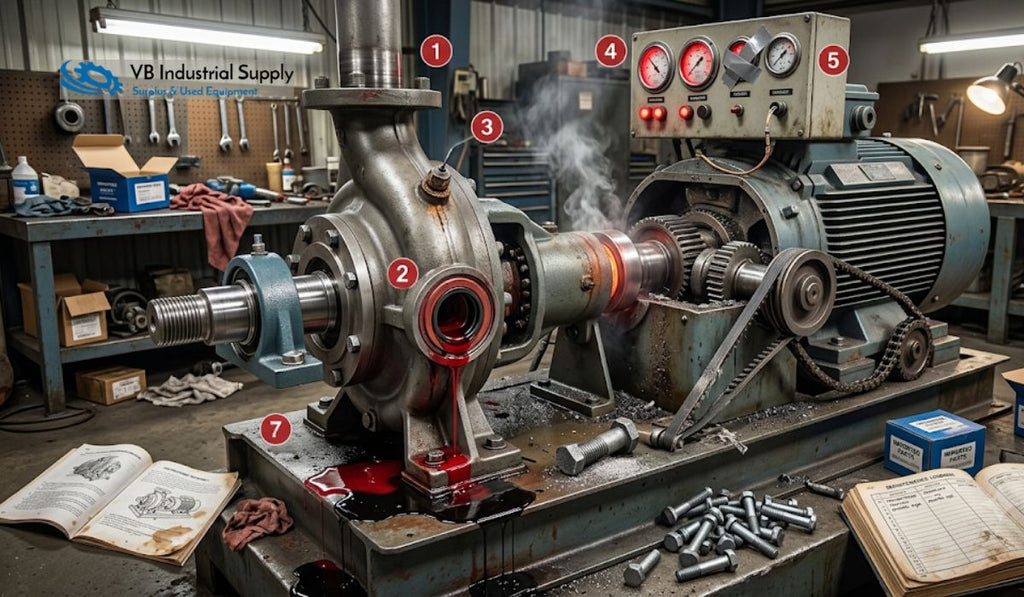
Unplanned downtime of even a minute can disrupt production schedules, result in failure to meet customer commitments, and loss of revenue. Manufacturers face the challenge of delivering consistent production while controlling costs at the same time. However, if main elements break down without warning, the whole working process might be stopped immediately. This fact has inspired companies to enhance their stock management policies and be prepared to have the most important parts available instantly without waiting.
Why Manufacturers Buy Surplus Industrial Equipment to Reduce Risk
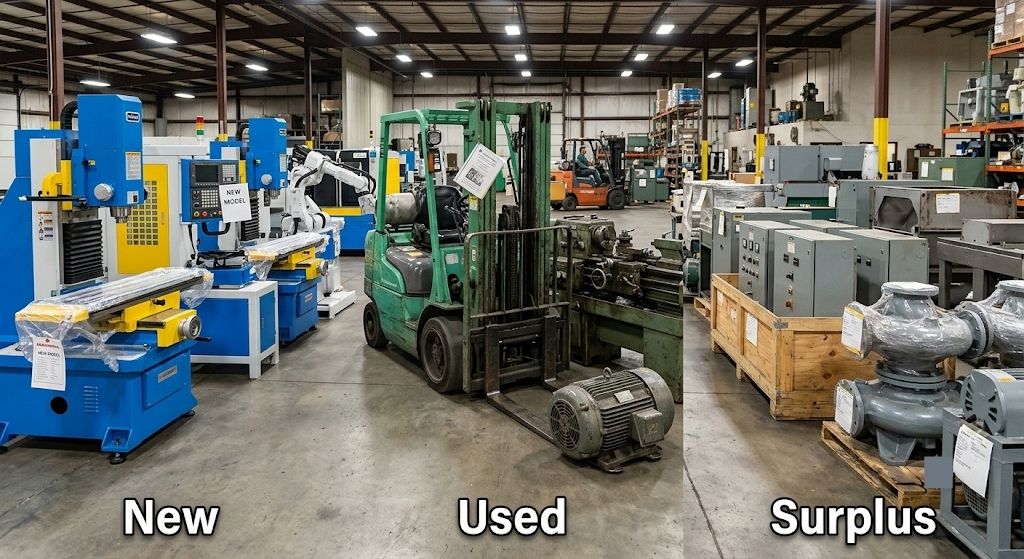
Many organizations now buy surplus industrial equipment as part of their risk management strategy. Surplus equipment provides access to critical parts that may be difficult to source through traditional channels. It also helps companies secure replacements before an emergency occurs.
In fact, by having reliable spare parts readily at hand, manufacturers not only save themselves from incurring large expenses brought about by unexpected breakdowns but are also able to keep their production running without interruptions. This kind of forward-looking mindset has been a key driver of the evolution of various sectors.
The Growing Importance of Spare Parts Inventory Management
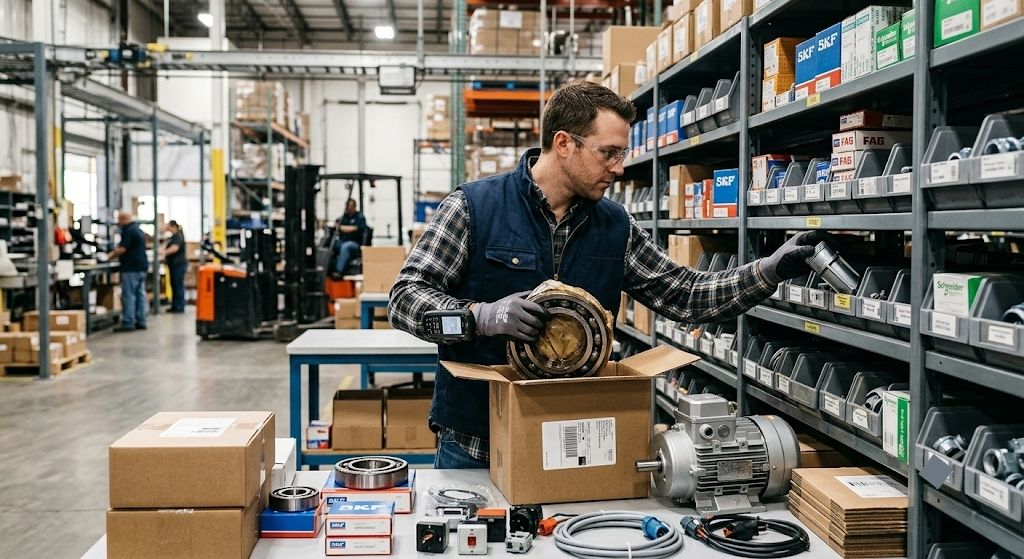
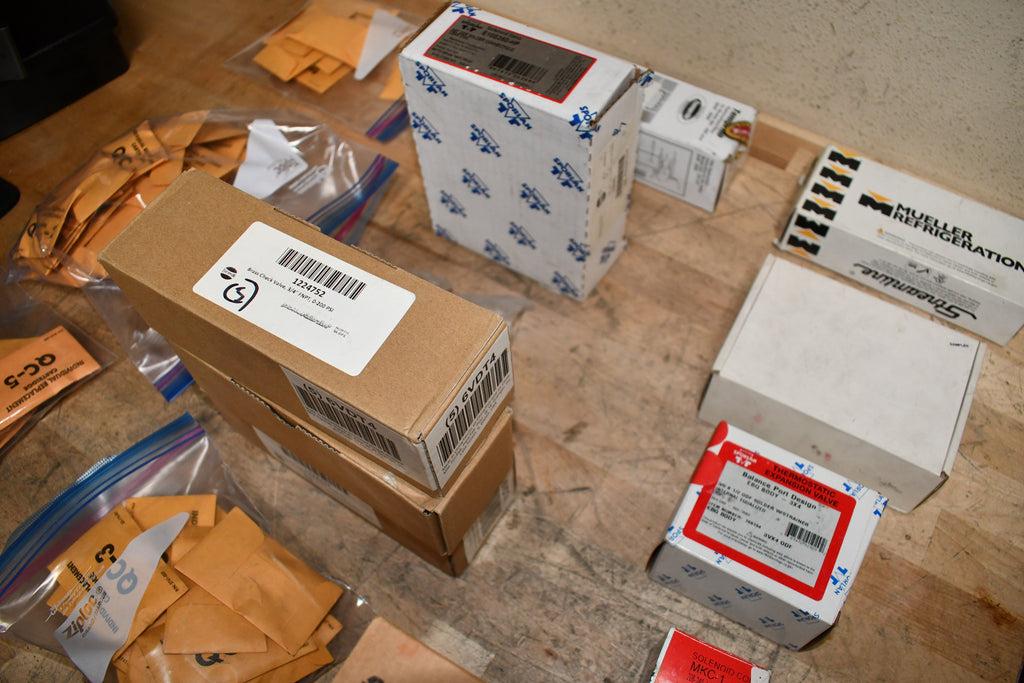
Effective spare parts inventory management enables organizations to define critical parts, track spare part consumption rates, and avoid stock-out situations. By preparing for equipment breakdowns rather than reacting after they occur, organizations can effectively manage their inventories.
When the management of spare parts is executed properly, maintenance teams have the ability to enhance response time and lower repair durations, as well as increase the reliability of equipment as a whole; therefore, providing a better service to the end user. Additionally, this process reduces the necessity of incurring expensive "last minute" purchases.
How Inventory Management Improves Operational Efficiency
Effective Inventory Management provides better visibility into available stock and purchasing requirements. Companies can reduce excess inventory while ensuring critical parts remain accessible.
By having precise stock information, production units are able to take the right decisions about buying, prevent overspending and find the best use of the warehouse space. All these advantages even have a direct effect on better operational showing and making money.
Why Supply Chain Management Challenges Are Changing Purchasing Decisions
Global disruptions have highlighted the importance of resilient Supply Chain Management practices. Manufacturers can no longer assume that replacement parts will arrive on schedule.
Shipping delays, supplier shortages, and market development uncertainties pushed companies to diversify sourcing strategies. Therefore, growing numbers of businesses are seeking surplus inventories as another reliable solution when traditional procurement channels fail.
The Role of Manufacturing Inventory Management in Modern Facilities
Modern Manufacturing Inventory Management focuses on balancing inventory availability with cost control. Companies must maintain enough stock to support operations without tying up excessive capital in unused inventory.
Using sophisticated inventory planning, manufacturers can pinpoint key items, get a better prediction of the market needs, and also be better at scheduling the upkeep of machinery. The outcome is a more efficient operation with lower risks.
Why More Companies Buy Surplus Industrial Equipment for Long-Term Savings
However, apart from minimizing downtime, a lot of companies buy surplus industrial equipment as it offers huge savings on costs. Generally, surplus items may be cheaper than brand new ones, however, both of them are equally capable of fulfilling maintenance and replacement requirements.
Organizations can stretch procurement budgets further while maintaining access to essential components. This is why many organizations deciding on purchasing surplus pieces feel that they not only get to enjoy operational benefits but it also helps them get the financial advantages they are looking for.
Why VB Industrial Supply Is a Trusted Source for Industrial Surplus Equipment
Finding a reliable supplier is essential when sourcing industrial surplus equipment. Manufacturers need confidence that the products they purchase will meet operational requirements and arrive when needed.
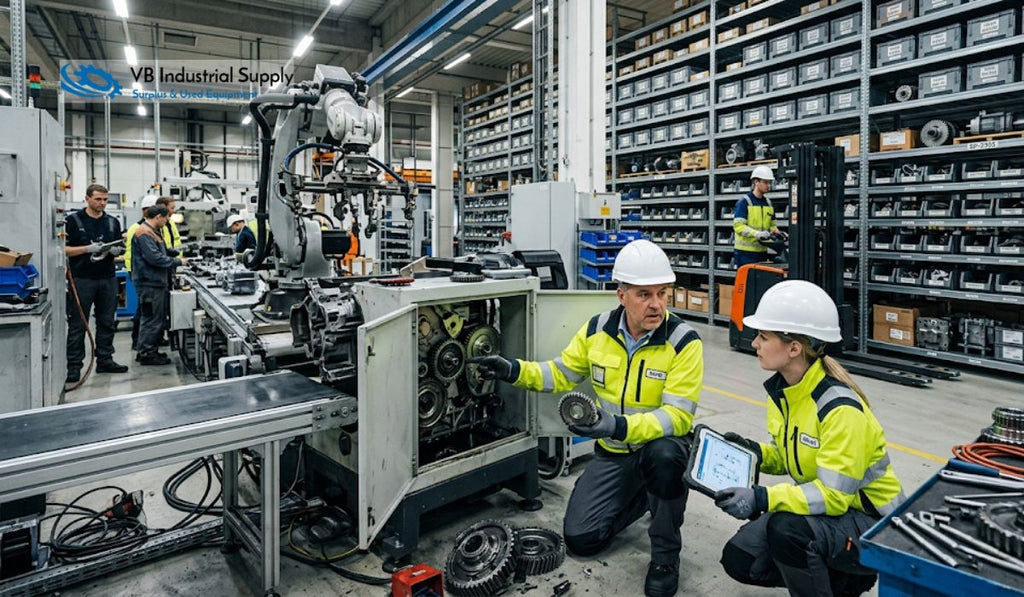
VB industrial supply specializes in helping other companies in the need of sourcing industrial surplus equipment with a high level of quality for their maintenance, repair, and production purposes. Through a large stock and knowledge of the industry, the company mainly serves those manufacturers in need of reliable solutions.
Many companies choose VB industrial supply because through the company they get access to difficult products, excellent customer service, and a variety of sourcing options. In case a business is looking for parts for repairs or entire equipment solutions, VB industrial supply is there to provide them with practical and effective support for continuing their operations.
Conclusion
Manufacturers are taking spare parts planning more seriously because the cost of downtime continues to rise. Effective Inventory Management, stronger Supply Chain Management, and strategic Manufacturing Inventory Management practices help organizations reduce risk and improve productivity.
Companies that prioritize Spare Parts Inventory Management gain greater control over maintenance operations and equipment availability. For businesses looking to reduce costs and improve reliability, choosing to buy surplus industrial equipment from a trusted supplier such as VB industrial supply can be a smart long-term investment.
FAQs
1. Why is Spare Parts Inventory Management important?
It helps manufacturers maintain critical stock levels, reduce downtime, and improve equipment reliability.
2. How does Inventory Management support manufacturing operations?
It provides visibility into stock levels, helps control costs, and ensures essential parts are available when needed.
3. Why are companies investing more in Supply Chain Management?
Better Supply Chain Management reduces sourcing risks and improves access to critical replacement components.
4. What are the benefits of buying surplus equipment?
Surplus equipment can lower procurement costs, reduce lead times, and provide access to hard-to-find parts.
5. What is Manufacturing Inventory Management?
It is the process of planning, tracking, and controlling inventory used in manufacturing operations to support efficiency and productivity.