Where Can I Sell Used Industrial Parts? A Guide to Finding the Right Buyer
- News
Every plant, shop and maintenance department ends up with parts it no longer needs. A line gets upgraded, a project is cancelled, a machine is decommissioned, or a purchasing team orders a few extras "just in case." Over time, those parts pile up on shelves and in cribs, tying up cash and floor space. If you are wondering how to sell used industrial parts without losing weeks to the process, the good news is that a steady market exists for working components. Somewhere, another facility is likely waiting on the exact part you are storing. This guide covers what you can sell, what buyers need from you, and how to find a reliable partner.
What Used Industrial Parts Can You Sell?
Most facilities are surprised by how much of their spare inventory still has resale value. You can sell used industrial parts in nearly every category, as long as the items are genuine and in reasonable condition. Common examples include:
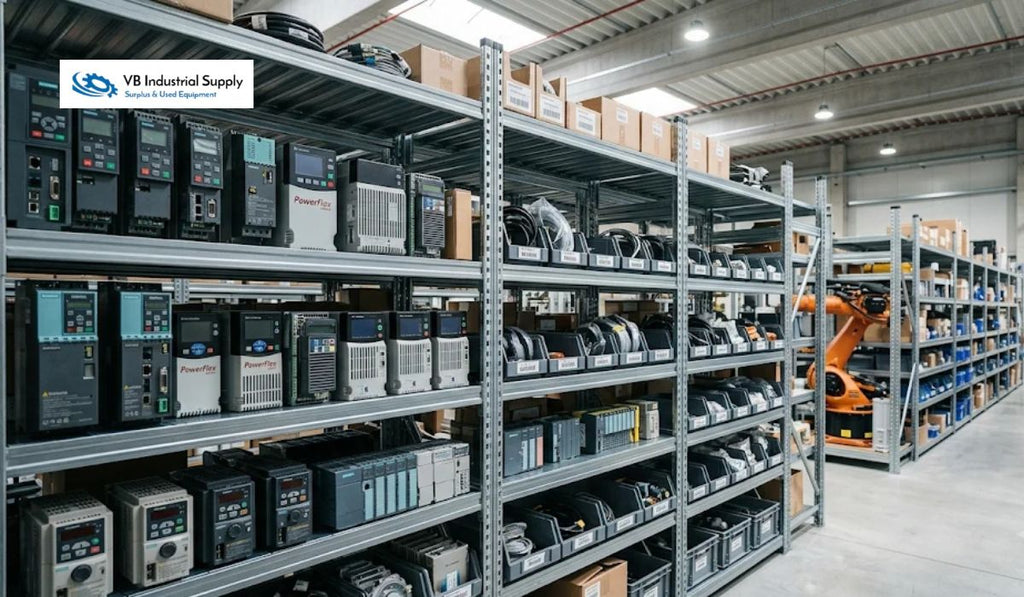
- PLCs and automation parts: controllers, I/O modules, HMIs, drives and servo components
- Electrical components: breakers, contactors, relays, transformers and control panel hardware
- Bearings: ball, roller and specialty bearings, especially from well-known manufacturers
- Motors and pumps: electric motors, gearmotors, centrifugal and hydraulic pumps
- Valves: ball, gate, solenoid and pneumatic control valves
- Tooling: cutting tools, inserts, fixtures and measuring instruments
- MRO parts: fasteners, seals, filters, fittings and other maintenance stock
New-in-box stock counts too. Plenty of companies sell surplus parts after a cancelled project or an over-order, and buyers are glad to take them.
What Information Should You Provide to a Buyer?
A used industrial parts buyer can only quote what they can identify, so the more detail you share upfront, the faster you will hear back. Gather these basics before you reach out:
- Part number: Copy the full number from the nameplate, including any suffixes or revision codes.
- Brand: Identify the company so that if the same part number of a component is manufactured by different companies, you will understand them accordingly.
- Quantity: State exactly how many units you have, and whether they come as a single lot or in separate batches.
- Condition: Mention whether the item is brand new, in excess of requirements, used, reconditioned, or just for sale and if there are any defects in the part.
- Photos: Take clear pictures of the nameplate, the part from a few angles, and any original packaging.
If you have dozens of items, a simple spreadsheet with these columns keeps everything organized and makes quoting much easier.
Where Can You Sell Your Used Industrial Parts?
Knowing where to sell industrial parts helps you match the right route to the type and value of your inventory. Here are the four main options.
Industrial Buyers
Direct industrial parts buyers purchase inventory outright, which means no listings, no waiting for bids and no back-and-forth with dozens of strangers. This route suits businesses that want a simple, one-time deal, particularly for larger lots.
Online Marketplaces
General marketplaces give you wide exposure, but you handle the listings, questions, payments and shipping yourself. Fees and returns can eat into your margin, and high-value electronics tend to attract lowball offers and the occasional scam.
Auctions
Auctions can work well when a facility is closing or you have a large mixed lot. They are rarely the best way to sell used industrial parts one item at a time, though, because the final price depends on who shows up that day. Seller commissions and delayed payment are also common.
Specialized Surplus Buyers
Specialists among the industrial surplus buyers understand part numbers, testing and resale demand. Their quotes tend to be more realistic, and the process usually moves faster because they already know who needs what.
How to Choose the Right Industrial Parts Buyer
Not every buyer is worth your time. Before you sell used industrial parts to anyone, check these five things:
- Experience: How long have they been buying industrial inventory? Ask about the types of lots they have handled and whether they can share references.
- Product categories accepted: Make sure to check if they sell your brands of spare parts and the types of parts you normally need. For example, the one purchasing from a supplier who deals in automation will not want pumps or MRO stock for bulk sale.
- Quote process: Look for a clear, quick quote with an explanation of how they arrived at it. Vague or pressured offers are a red flag.
- Payment process: Get the payment method and timing in writing before you ship anything. Prompt payment by wire or cheque should be standard.
- Shipping and logistics: Find out who arranges pickup or freight, who covers the cost, and whether they can handle shipments across provinces or the border.
The best industrial parts buyers make every one of these points easy to verify.
Sell Your Industrial Parts to VB Industrial Supply
If you would rather skip the listings and the haggling, VB Industrial Supply offers a direct way to turn idle inventory into cash. As a dependable used industrial parts buyer, the team reviews your part numbers, brands, quantities and condition, then comes back with a clear quote. Whether you want to sell industrial parts from a single retired machine or sell used industrial equipment left over from a plant upgrade, the steps stay simple: submit your details, review the offer, and arrange shipping once you are happy with it.
You can sell used industrial parts in small batches or full pallets, and VB Industrial Supply handles both. Ready to get started? Head to the Sell Us Your Parts page and send in your list.
Conclusion
Clearing out unused inventory should not turn into a side project. Gather your part numbers, photos and condition notes, compare your options, and choose a buyer with a transparent process. Whether you plan to sell used industrial parts a few at a time or in one large lot, the right partner will save you effort and put money back in your budget sooner. VB Industrial Supply is ready to make that process quick and straightforward.
FAQ's
1. Where to sell industrial parts for the best return?
Most of the time a direct sale to a specialist buyer gives you a better price, faster delivery and less work on your part as against auctions or marketplaces.
2. Can I sell surplus parts that were never used?
Absolutely. New surplus stock with untouched packaging typically commands higher bids.
3. How quickly do industrial surplus buyers respond?
If the items you send complete descriptions with part numbers, qty & pictures are of sufficient quality, many reply in a day or so.
4. Can I sell industrial parts if I only have a few photos?
Often, yes. A clear picture of the nameplate is usually enough for a buyer to start the quote.
5. Can I sell used industrial equipment along with smaller parts?
Many times you can. Just list the large sized equipment in your inventory so the buyer can crosscheck & tell you what their policies are.